Wai Mon Theint On Leading Projects in Electrical Engineering

In celebration of International Women in Engineering Day, we spotlight Wai Mon Theint, a Senior Electrical Engineer at Black & White Engineering in Singapore. With expertise in data centres and infrastructure systems, Wai Mon shares her path to becoming an engineer.

For Senior Electrical Engineer Wai Mon Theint, engineering is more than just a profession, it’s a lifelong curiosity. Based in Black & White Engineering’s Singapore office, she’s spent the past three years contributing to the company’s most complex infrastructure projects, including data centres and renewable systems.

“I’ve always been interested in how things function especially the systems that power our daily lives, so electrical engineering felt like a logical fit,” she explains. “After graduating, I started in design and coordination roles and gradually took on larger infrastructure projects across sectors like transportation, institutions, renewables and now data centres.”

With each step, Wai Mon has deepened both her technical knowledge and project management capabilities. But it’s not just the complexity that keeps her motivated as an electrical engineer, it’s the continuous growth and real-world impact. “There’s always something new to learn in the engineering field and a chance to make a tangible impact.”

Still, the journey hasn’t been without its challenges. As a woman in engineering, Wai Mon has often encountered assumptions about her capabilities or found herself one of the few women on site.

“It can be isolating, especially early on in my career when I didn’t see many women in senior roles,” she says. “But I’ve learned to build credibility through results, letting the quality of my work speak for itself.”

She also highlights the importance of mentorship, learning networks and staying sharp technically. “Support from peers and mentors makes a big difference. And keeping up with new knowledge reinforces your authority.”

Wai Mon is passionate about encouraging more women to pursue and stick with engineering. Her message to young women is clear and inspiring: “Go for it. Don’t let preconceptions dictate your future. You belong in this field. Stay curious, keep motivated and create something you are proud of. Success in this field takes more than technical skills, it’s about resilience, communication and collaboration too.”

Looking ahead, she hopes to see more women shaping the future of the industry.

“I’d love to see more women in senior and decision-making roles, where innovation happens. But we also need inclusive workplaces that genuinely support growth, development and flexibility. Real inclusion requires deeper change. That change is happening but it needs to accelerate.”

Inspired by Wai Mon’s journey? Explore how you can grow your engineering career with us. Visit our careers page to see our current opportunities.

Jilliane Barcelona On Starting Her Career As A Graduate Engineer

In celebration of International Women in Engineering Day, we’re spotlighting Jilliane Barcelona, a graduate electrical engineer based in our Manila office, who is approaching her one-year milestone at Black & White Engineering.

As a Graduate Electrical Engineer based in Black & White Engineering’s Manila office, Jilliane is approaching her one-year milestone and already sees her role as part of a much bigger picture.

Jilliane sees the International Women’s Day campaign ‘Together We Engineer’ as a shared commitment to building teams where everyone’s voice is heard and valued regardless of gender or background. “It’s about empowering women and underrepresented groups to thrive and contribute meaningfully. When we engineer together, we don’t just innovate solutions we build a culture of equality and respect.”

Still early in her career, Jilliane is passionate about encouraging the next generation of women to enter the field. Her advice? Stay curious and don’t let fear hold you back.

“Believe in your abilities and keep learning,” she says. “Don’t be afraid to ask questions, seek mentorships and embrace challenges even if they seem intimidating at first. You belong in this field and your voice matters.”

Looking to the future, Jilliane hopes to see more women not just entering engineering, but leading it.

“In the next 5 to 10 years, I hope to see more women in leadership and technical decision-making roles,” she says. “I’d love to see stronger mentorship networks and better support for work-life balance.”

So far, her experience at Black & White has reinforced what’s possible in an inclusive and supportive environment.

“Black & White is making meaningful strides toward inclusivity,” Jilliane says. “I’ve felt most supported in environments that prioritise collaboration and open communication over competition. Having access to mentorship, training  and seeing female role models in leadership is incredibly motivating.”

Black & White’s culture of opportunity and collaboration keeps her optimistic: “It reinforces that career growth is not only possible, it’s supported. I’m proud to be part of a company that’s actively contributing to positive change in the industry.”

Start Your Graduate Career with Black & White

Are you a graduate engineer looking for a supportive and future-focused company? At Black & White Engineering, we’re committed to developing the next generation of engineering talent, through mentorship, training and an inclusive one global team culture.

Explore our graduate opportunities on our careers page.

Engineering Careers With Global Opportunities At Black & White

Discover engineering careers with global opportunities at Black & White. Learn how our team members advance their careers across borders from the UK to Singapore and the Philippines to Dubai.

Looking for engineering careers with room to grow? For some Black & White colleagues, professional development has meant stepping into new roles in new places.  We hear from two of our team members who have relocated to different offices whether to build local delivery capability, strengthen client partnerships or support growing teams. From the UK to Singapore, the Philippines to Dubai, they show what it means to grow their engineering careers and contribute to the business across borders.

Clive Smith, Lead Design Manager, LDC
UK to Singapore

“Never say no. Have a go. If an international opportunity comes your way, grab it.”

“For me, it wasn’t a difficult decision to relocate. I’ve spent much of my career in the Middle East and APAC, and I’ve always felt more at home in these regions than in the UK. The opportunity to help shape Black & White’s presence in APAC, where there’s huge potential, was a no-brainer.”
Settling in has been seamless, thanks to familiar faces and a strong culture of connection. “Daily interaction is with colleagues I’ve worked with since day one. That sense of One Global Team really matters.”
This move extends the reach of the Lead Design Consultancy team and strengthens our ability to support our clients across new territories. “It’s about more than geography, it’s about delivering consistent, high-quality service across every touchpoint. I hope my experience can add value to both our clients and our people, as the team continues to grow.”

Ruthzen Soriano, Principle Engineer
Manila to Dubai

“Pursue it. Take the opportunity when it comes. It’s a chance for both personal and professional growth that you won’t regret.”

“I’ve always been curious about working abroad, but I never imagined Dubai would be where I’d land. After collaborating with the Dubai office on a project, the team reached out about a front-office opportunity. It came out of the blue, but it felt like the right next step. Everything about the move excited me. It felt like a whole new world opening up”.
Since relocating, Ruthzen has embraced the experience fully, both personally and professionally. “The lifestyle here has been a huge bonus. The office is just a hop away from the beach, right in the heart of a vibrant, bustling community and the transport system runs like clockwork.”
The transition was supported with practical help, from hotel accommodation during the first few weeks to colleagues who helped Ruthzen find a place to live and settle in. “My colleagues were extremely supportive, both socially and professionally which really helped as I don’t have family here. My manager checked in often, and I was invited to team socials early on, which made a big difference.”
The move has also expanded her role and skills. “My communication skills have improved significantly. Client interaction is now a regular part of my job. I’m also working more closely with our global design hub team, which has pushed me to grow in ways I didn’t expect. It’s been challenging in the best possible way.”

Ready to take your engineering career in a new direction?
Explore current opportunities and see where a career at Black & White Engineering could take you. Head over to our careers page.

Black & White Engineering Appoints Grant Porter as Permanent Group Chief Financial Officer

Black & White Engineering are pleased to announce the appointment of Grant Porter as our permanent Group Chief Financial Officer, following a successful six-month period in the interim role. Grant’s appointment marks another step forward as we continue to scale our business globally.

Black & White Engineering are pleased to announce the appointment of Grant Porter as our permanent Group Chief Financial Officer, following a successful six-month period in the interim role.

Based in the UK, Grant brings over 30 years of financial and operational leadership experience to Black & White. His background spans multiple regions including Europe, the Middle East, Asia and Africa, with a strong track record in guiding business performance, supporting growth and leading successful post-acquisition integrations.

Grant has spent over two decades in senior financial roles with UK-listed engineering consultancies, where he played a key part in strategic delivery and operational alignment. Prior to joining Black & White, he was Group CFO for a diversified family group with 5,000 staff.

Since stepping into the interim CFO role in December 2024, Grant has quickly become a valued part of the Black & White leadership team, supporting the business through continued expansion, strengthening financial operations and contributing to strategic planning working closely with CEO Mick Cairns and COO Steve Tode.

Grant said “I had intended my interim role with Black & White Engineering to be just that but it evolved into a long term opportunity I was pleased to be part of.  Working again with Mick Cairns and Steve Tode together with the amazing growth plans, down to earth people and support from Waterland PE, I am delighted to continue the growth journey on a permanent basis.”

A Chartered Accountant and member of the Institute of Chartered Accountants of Scotland, Grant is known for his collaborative approach and deep understanding of project-led businesses.

Grant’s permanent appointment as Chief Financial Officer at Black & White Engineering marks another step forward as we continue to scale our business globally, while staying focused on strong delivery, sustainable growth and long-term value creation for our clients.

How to Balance Sustainability and Resilience in Data Centre Design

As the data centre industry continues to evolve at pace, the challenge remains clear: how can we design resilient, high-performing facilities while minimising environmental impact?
In our latest article, Scott Wilson Regional Sustainability Lead at Black & White Engineering explores key strategies to optimise sustainable data centre design without sacrificing operational resilience.

Balancing operational resilience with sustainability in data centre design is a complex, often contradictory challenge. While ensuring that data centres remain operational even during failures is critical, these measures can inadvertently increase the environmental footprint. How can the industry move towards more sustainable data centre operations without compromising on resilience? Scott Wilson Regional Sustainability Lead at Black & White Engineering shares his insights. 

The Trade-offs Between Resilience and Sustainability in Data Centre Design

Data centres are designed with redundancy to ensure uninterrupted service during plant failures. Redundancy configurations such as N+1, 2N, or even 2N+1 are common, providing backup equipment to maintain operations. However, this overengineering introduces several sustainability concerns: 

  • Increased Embodied Carbon: More plant equipment means higher embodied carbon, particularly in MEP (Mechanical, Electrical, and Plumbing) systems. The additional structural steel and concrete required for oversizing further contribute to this carbon load. 
  • Impact on Efficiency: Oversized equipment may lead to lower operational efficiencies in the real world. 
  • Backup Power Reliance: Diesel-powered generators, which are often used for backup power, remain a major contributor to emissions. 
  • Higher Resource Consumption: The need for increased plant provision and backup systems leads to more resource consumption. 

While redundancy is essential for resilience, these factors must be carefully managed to ensure they don’t conflict with sustainability goals. 

Location Matters: Reducing Carbon Footprint from the Start 

The location of a data centre can play a significant role in its sustainability. Data centres in colder climates, for example, can leverage free cooling, which reduces energy demand for cooling systems. This, in turn, lowers peak demand and reduces the size of required plant and backup systems. A smaller plant means less embodied carbon, as well as reduced redundancy needs and lower UPS and generator capacity. 

Innovations in Backup Power and Efficiency 

Modern technology offers several ways to improve efficiency and reduce emissions: 

  • Modular UPS Systems: Load switching UPS systems allow individual modules to be powered off during low-demand periods, improving energy efficiency. 
  • HVO Generators: Replacing diesel generators with hydrogenated vegetable oil (HVO) produces 10% of emissions compared to diesel, making it a more sustainable backup power option. 

Waste Heat Utilisation: Turning a By-product into an Asset 

One often overlooked but highly sustainable option is waste heat utilisation. Data centres naturally generate excess heat, but rather than allowing this to go to waste, it can be harnessed for other purposes. By connecting to district heating networks, data centres can transfer waste heat to nearby communities or industries, reducing the need for additional energy production. For this to be viable, significant investments in infrastructure are needed. Regions with existing networks, such as Denmark’s Fjenvarme Fyn, are leading the way in this regard. 

Water Source Cooling 

Cooling is one of the largest energy consumers in a data centre. By situating data centres near bodies of water, the demand for cooling can be significantly reduced. Water has a more consistent temperature than air, which helps to stabilise cooling requirements. Additionally, underwater or floating data centres, like Microsoft’s pilot project in the Orkney Islands, have shown promising results in terms of reduced server failure rates and increased energy efficiency. 

Liquid and Immersion Cooling Innovations 

Two innovative cooling technologies are gaining traction in the industry: 

  • Liquid Cooling: This system eliminates the need for traditional CRAC/CRAH units, reducing potential failure points. It also cools chips more effectively, lowering the likelihood of failure and reducing downtime. 
  • Immersion Cooling: This solution immerses servers in a cooling liquid, protecting them from contaminants and maintaining cooling even during power outages. Immersion cooling significantly reduces energy consumption and protects servers from ambient temperature fluctuations. 

These cutting-edge cooling methods not only improve resilience by protecting hardware but also help reduce the overall energy consumption of data centres. 

Striking the Right Balance 

As the data centre industry continues to evolve, the challenge remains clear: how can we design resilient, high-performing facilities while minimising environmental impact? By embracing innovative solutions such as modular UPS, HVO backup power, waste heat utilisation, and advanced cooling technologies, the industry can make meaningful progress towards more sustainable operations. However, finding the right balance between resilience and sustainability will require careful consideration at every stage of the design and operational process. 

By implementing these strategies, data centres can not only meet the increasing demand for digital infrastructure but also play a key role in driving a more sustainable digital future. 

At Black & White Engineering, we collaborate with developers to implement innovative solutions that balance sustainability in data centre design with resilience. If you’re looking to future-proof your data centre infrastructure, get in touch with us to continue the conversation.

Black & White Expands Data Centre Engineering Presence in Germany with Country Manager Appointment

Black & White Engineering strengthens operations in Germany with Frankfurt office and Country Manager appointment Timm Weis. Discover how we’re supporting data centre growth across the DACH region with innovative MEP design and delivery.

Following the opening of our Frankfurt office in late 2023, Black & White continues to expand our presence in Germany to meet growing demand for high-performance data centre engineering. Germany is a key market for digital infrastructure growth, and our enhanced local presence enables us to deliver tailored, scalable solutions for clients across the region.

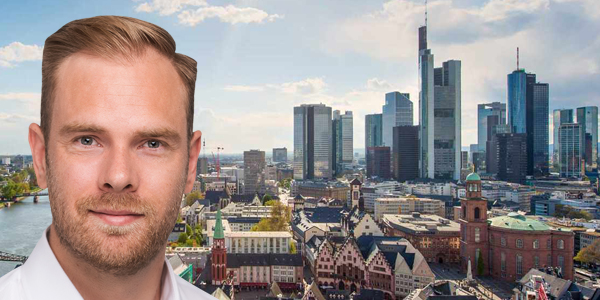
As part of this growth, we’re pleased to announce the recent appointment of Timm Weis as Country Manager for Germany.

Timm brings a decade of experience managing large-scale data centre projects. Most recently, he served as Head of the Data Centre Unit at a mid-sized German MEP design consultancy, where he led multidisciplinary teams delivering mission-critical infrastructure for global clients. Among many projects, Timm has played a key role in high-performance computing (HPC) and heat reuse initiatives, with notable experience across the DACH region.

“Germany is a key market for data centre growth, and I’m proud to be leading Black & White’s presence here. My goal is to grow a strong local team, deliver high-quality results, and increase our visibility as a trusted partner in the German market.” Timm Weis, Country Manager, Black & White Engineering

Our Frankfurt office extends Black & White’s ability to provide global delivery with local insight, supporting clients at every stage of the project lifecycle, from early-stage feasibility and technical advisory through to detailed MEP design and commissioning.

As demand for scalable, energy-efficient, and resilient data centre infrastructure continues to rise, our German operations are positioned to support some of the most ambitious developments in the region. We’re also focused on building a strong local team, offering opportunities for experienced professionals and emerging engineers to join a collaborative, fast-paced environment where innovation and technical excellence are at the core.

Timm Weis will be representing Black & White at Data Centre World Frankfurt on 4th-5th June 2025. If you are attending and would like to arrange a meeting with Timm to discuss project opportunities or career paths in data centre engineering in Germany, we welcome the opportunity to connect. Contact us here or reach out to Timm directly on LinkedIn.

Cooling the AI Boom: Hybrid Solutions in Data Centres

In our latest article from our Future of Data Centres series, Nick Remington, Technical Director at Black & White Engineering, explores the rise of hybrid cooling solutions, their efficiency gains, and what they mean for the sustainability of hyperscale facilities.

As artificial intelligence accelerates data centre workloads, traditional cooling methods are struggling to keep up. With power density on the rise, operators face an urgent question: how do we manage this energy without compromising efficiency or sustainability?

Hybrid cooling solutions are fast becoming the answer for data centres. But are they enough to future-proof for the AI era? In this article, part of our Future of Data Centres series, Nick Remington, Technical Director at Black & White Engineering, shares his perspective on what’s changing, what’s working and what’s coming next.

How AI is Transforming Power and Cooling Demands

Demand for data centre capacity is already at a historic high due to cloud hosting, enterprise platforms and data storage. But AI has taken that demand to a new level.

We’re seeing a tangible shift across the board from hyperscale and neocloud developers towards significantly higher power densities. This is largely driven by the rapid deployment of AI GPUs, vastly reshaping how data centres are designed, built and operated.

What Are the Advantages of Hybrid Cooling Over Traditional Solutions?

As power density increases, traditional air-cooling methods are no longer sufficient. Hybrid cooling systems combine air and liquid cooling technologies, such as direct-to-chip and immersion cooling. Liquid cooling removes heat directly from the GPU’s heat source offering a far more efficient heat transfer compared to air.

These systems improve the facility’s Power Usage Effectiveness (PUE), helping reduce operational emissions and power consumption. Higher power density means less white space is needed, reducing the overall building footprint, lowering capital costs, speeding up construction and the permit approval process as well as cutting embodied carbon.

Can Hybrid Systems Support Sustainability Goals?

Hybrid systems offer higher efficiency, particularly in reducing Scope 2 emissions. By operating the facility water system (FWS) at higher temperatures, we can minimise the use of chiller compressors, lowering energy use even further. The cooling distribution units (CDUs) used in these solutions consume significantly less power than traditional air-cooling fans, offering further PUE improvements.

Another key benefit is heat reuse. With a high-temperature FWS, there’s a real opportunity to export heat to surrounding buildings or feed into a district heating network. While this doesn’t drastically improve data centre performance, it has a meaningful impact on the wider built environment.

The Future Outlook: Will Hybrid Cooling Become the New Standard in Data Centres?

The rise of hybrid cooling is directly linked to the uptake in AI deployment. While some large hyperscalers have recently slowed AI investments, the broader trend remains clear. A new generation of GPU cloud operator, the neoclouds, have arrived and are pushing these limits to suit the latest GPU requirements.

There’s strong momentum in AI adoption because of its wide-reaching benefits, from generative AI and large language models (LLMs) to advanced science and economic growth. We expect this demand to continue rising at pace and cooling strategies must evolve accordingly.

Direct-to-chip has widely been the immediate industry accepted solution. This will soon be followed by 2-phase liquid cooling and immersion cooling, all readily available and offering different benefits with increasing capacities.

Let’s Talk About Smarter Cooling

As AI pushes data centres to new performance thresholds, hybrid cooling offers a compelling way to stay ahead, balancing high-efficiency performance with long-term sustainability. This shift won’t happen overnight, but for data centre developers, designers and operators, the time to explore and implement smarter cooling strategies is now.

For more on hybrid cooling solutions in data centres you can hear from Nick and other industry experts in a recent feature for News in the Channel.

At Black & White Engineering, we work closely with data centre developers to implement innovative solutions that support these goals. If you are looking to future-proof your data centre infrastructure, get in touch with us to continue the conversation. 

Black & White Engineering Shortlisted for Three Construction Industry Awards in People, Culture and Training Excellence

We’re proud to share that Black & White Engineering has been shortlisted for three major industry awards in 2025. Each nomination reflects the dedication of our global team and our sustained investment in creating a workplace where people are supported to do their best work, grow confidently and progress professionally.

We’re proud to share that Black & White Engineering has been shortlisted for three major industry awards in 2025, recognising our commitment to developing engineering talent and fostering a culture of continuous learning, innovation and collaboration.

Each nomination reflects the dedication of our global team and our sustained investment in creating a workplace where people are supported to do their best work, grow confidently and progress professionally.

DCS Awards 2025: Outstanding Contribution to Skills and Training
This category recognises organisations making a significant impact on skills development in the data centre industry. Our unique training approach delivered through our Global Academy combines technical excellence with human-centred learning to ensure our teams are equipped for a fast-evolving sector.

Constructing Excellence North East Awards 2025: People & Culture
This shortlisting highlights organisations that put people at the heart of their success. At Black & White, development pathways, leadership training and knowledge-sharing are embedded across the business. Today, 93% of our people say they are proud to work here and would recommend us as a great place to work.

Construction News Awards 2025: Training Excellence
This award celebrates long-term commitment to training. Through our Global Academy, we deliver early careers programmes, immersive learning residencies, our three-tier Management Development Programme, and  our personal development platform ensures every member of our team has a clear, supported route to progress.

Being recognised across these categories reflects our ambition to develop engineers with the skills, mindset and leadership to shape the future of the built environment.

We look forward to celebrating these achievements as we approach the award ceremonies in the months ahead.

Black & White Engineering Announces Acquisition of Leading Irish MEP Consultant, Homan O’Brien

Black & White Engineering are delighted to announce the acquisition of Homan O’Brien, an independent consulting engineering firm based in Ireland. This acquisition is a critical move in Black & White Engineering’s strategy to expand its global presence, particularly in the data centre and infrastructure sectors. 

Black & White Engineering are delighted to announce the acquisition of Homan O’Brien, an independent consulting engineering firm based in Ireland. This acquisition is a critical move in Black & White Engineering’s strategy to expand its global presence, particularly in the data centre and infrastructure sectors. 

Established in 1990 through the merger of Robert Jacob and Partners (founded in 1955) and Seamus Homan Associates (founded in 1978), Homan O’Brien specialises in mechanical and electrical engineering design services. Their expertise spans various sectors, including data centres, healthcare, education, laboratories, commercial, residential, and industrial facilities.  

Mick Cairns, CEO and Founder of Black & White Engineering said: “We’re incredibly proud to welcome Homan O’Brien to Black & White Engineering, a business that shares our values and drive for excellence. Dublin’s strategic role in the global data centre market makes it the ideal location for strengthening ties with our clients, and establishing a regional headquarters in Ireland is a significant step in our growth journey. Homan O’ Brien’s strong local presence and specialist expertise align perfectly with our ambitions, and I’m thrilled to bring such talented people into our global team. It’s a great fit that unlocks new momentum as we continue to expand internationally.” 

Steven Horn, Managing Director at Europe, of Black & White Engineering comments, “Homan O’Brien is well-established in Ireland and its trusted team of experts will further enhance our expanding capabilities in region and support our European data centre projects, enabling us to deliver even greater value to both our existing and new clients.” 

Black & White Engineering operates across 18 cities worldwide with over 700 employees. With over 15 years of innovation, Black & White has seen rapid growth, achieving a 500% increase in size since 2020, and is highly regarded across industry for its technical excellence, data centre sector expertise and sustainable delivery across complex infrastructure projects.  

Simon O’Brien, Managing Director of Homan O’Brien, commented: “This is an exciting next step for our business. We remain committed to our clients and the team we have built, while gaining the scale and support of being part of Black & White to accelerate our growth and deliver more for our staff and clients.” 

Joint Managing Director Brian Homan will be retiring from Homan O’ Brien on 30th April 2025. Brian comments, “Having been in the industry for over 40 years I have taken this opportunity to step back and wish my colleagues at Homan O’ Brien all the success in their new venture going forward.” 

The acquisition is backed by Waterland, an independent investment group that partnered with Black & White Engineering in 2024 to support its rapid growth strategy. Waterland’s partnership has been instrumental in enabling Black & White Engineering to expand geographically and pursue its first strategic acquisition.  

Wendy McMillan, Partner at Waterland (UK) commented, “We are delighted to support Black & White Engineering as it continues to grow, expanding its capabilities and international footprint. The partnership with Homan O’Brien is a strong strategic fit bringing together complementary expertise, regional strength and a shared focus on technical excellence.” 

The two businesses will begin working together immediately, with future plans to scale and expand the team in Ireland to deliver a growing pipeline of regional and international projects. 

3 Strategies For Addressing the Data Centre Talent Shortage

The data centre sector is evolving rapidly, but the shortage of skilled professionals remains a significant challenge. Caff Allen, Global Director Learning and Development and our team of experts at Black & White Engineering explore 3 key strategies for addressing the data centre talent shortage.

The data centre talent shortage is one of the biggest challenges facing the industry today, with demand for skilled engineering professionals outpacing supply.

These rapid developments require precise coordination to meet tight timelines with stringent functionality and sustainability requirements. More engineering professionals with expertise in data centre design, construction and installation will be key to delivering mission critical projects to the highest standards. The ripple effect data centres have on communities will also require additional liaison and collaboration where new skilled officer roles will become more in demand.

Why Is The Data Centre Industry and Engineering Sector Heading Towards A Talent Shortage?

Stonehaven research states in the UK alone, every year there is a deficit of 59,000 engineers to recruit, despite rising workforce demand. Leading to a skills gap of 1 million engineers by 2030.
An urgent evolution of the engineering industry’s positioning is required. To effectively tackle shortage, the industry must adopt proactive strategies to attract, develop and retain the next generation of skilled engineering professionals needed to meet the growing demand. Caff Allen, Global Director Learning & Development and our team of experts at Black & White Engineering explore 3 key strategies for addressing the data centre talent shortage.

1. Invest In Training And Upskilling

Training and upskilling initiatives are vital to enable individuals to specialise in high-demand fields. Collaborations with universities, institutions and professional bodies can provide the necessary certifications and knowledge needed to succeed in the sector.
Caff Allen, Global Director of Learning & Development, highlights: “The fast-paced evolution of the data centre industry requires professionals who can stay ahead of emerging trends. At Black & White, we invest heavily in structured learning and development, combining technical training with professional skills development. This approach includes global and regional engineering conferences, specialised training resources and leadership development programmes that equip professionals to lead in a rapidly evolving industry.”

2. Recognise Skills Beyond The Technical

The industry’s focus on attracting skilled professionals extends beyond technical expertise. Amy Henderson, Regional People Manager at Black & White Engineering, explains: “The most valuable skills we seek go beyond technical expertise. We prioritise adaptability, a strong learning mindset and a collaborative approach. Our one global team culture thrives on individuals who not only bring their technical skills but also enhance and complement our team.”

3. Raise Awareness And Perceptions Of The Data Centre Industry

Attracting talent to the data centre industry requires more than recruitment efforts, it also demands a fundamental shift in awareness and perception. A key challenge is making data centre careers and engineering pathways more visible and accessible.
As Adam Asquith, Technical Director at Black & White Engineering, highlights: “The industry must take a long-term approach to engaging with communities and shifting perceptions about data centre careers. By providing platforms that showcase the value of data centres in shaping a digital future, the sector can inspire the next generation of engineering professionals.”

To hear more from Caff Allen, Global Director of Learning & Development and other industry experts on the latest trends and challenges in the data centre industry. Check out our recent feature in Intelligent Data Centres here.

At Black & White Engineering, we are shaping the next generation of engineering professionals by investing in our people. If you’re passionate about engineering and want to be part of our industry-leading team, visit our careers page for information on our current vacancies.

Rethinking Power Strategies for Hyperscale Data Centres

As AI adoption accelerates, the energy demands of hyperscale data centres are growing rapidly. Devan Moodley, Global Director – Power Systems & Infrastructure at Black & White Engineering, explores the evolving energy landscape and what data centre operators must consider as regulations and sustainability targets tighten.

The feasibility of microgrids and their potential advantages over nuclear-powered energy for hyperscale data centres is a critical discussion point in the energy sector.

Devan Moodley, Global Director – Power Systems & Infrastructure at Black & White Engineering, shares his insights on the evolving energy landscape and what it means for data centre operators.

Microgrids vs Modular Nuclear: What’s the best option for Hyperscale Data Centre Power Infrastructure?

Microgrids and grid independence have long been key considerations for major utility providers and power consumers. The growing integration of behind-the-meter renewables has shifted the role of distribution network operators, creating increased competition for grid connections. Data centre operators are now among those seeking alternative solutions to secure a reliable power supply.

Microgrids typically integrate renewables at the end-consumer level within the distribution network, usually at low voltage. These systems rely on a dedicated power source, historically including solar, diesel and gas generation. However, the large-scale power demands of hyperscale data centres require generation connections at the medium-voltage level, which only large gas turbines can currently support.

With net-zero targets pushing the transition away from gas, nuclear power is gaining attention as a potential solution. The development of modular nuclear generation plants is advancing rapidly, and if successfully deployed, they could provide clean, reliable energy at scale. This could have a transformative impact on both utility providers and energy-intensive industries such as data centres.

In the near term, supplementing grid supply with gas-powered generation may still be necessary. However, the extent to which this remains viable will depend on evolving environmental regulations. As cleaner energy solutions progress, microgrids, modular nuclear and other emerging technologies will play an essential role in addressing capacity challenges in the data centre sector.

Alternative Power Solutions That Haven’t Gained Mainstream Adoption

Most data centres are built in urban areas, while power generation facilities are typically located near fuel sources. This applies to wind, solar, coal and other energy sources. Finding alternative solutions that avoid significant drawbacks remains a challenge.

Open-cycle gas turbine plants are one potential option, offering flexible, on-demand power. However, they come with challenges such as emissions, noise pollution, and reliance on a stable gas supply. Another consideration is whether data centre operators are willing to host generating plants on-site, which would require a shift in operational strategy.

As the industry evolves, it is becoming increasingly clear that data centre owners and operators may need to transition into generating asset owners to secure reliable and sustainable power.

Managing Power Demands in the AI Era

The accelerating adoption of AI is driving unprecedented power demand. As data centres grow in scale and complexity, new solutions will be required to improve efficiency, including the development of energy-efficient chips, advancements in cooling system design and optimisation of electrical infrastructure.

One of the biggest challenges ahead is the introduction of new regulations. Stricter policies on carbon emissions, energy sourcing, and grid reliance could reshape the data centre industry. Developers and operators must take a proactive approach to future-proofing their facilities.

The industry is at a turning point. As energy demands continue to rise, forward-thinking power strategies will be critical in securing a stable and sustainable future for hyperscale data centres. To explore how these changes could impact your data centre infrastructure, get in touch with our team.

New Noida Office Strengthens Growth in India

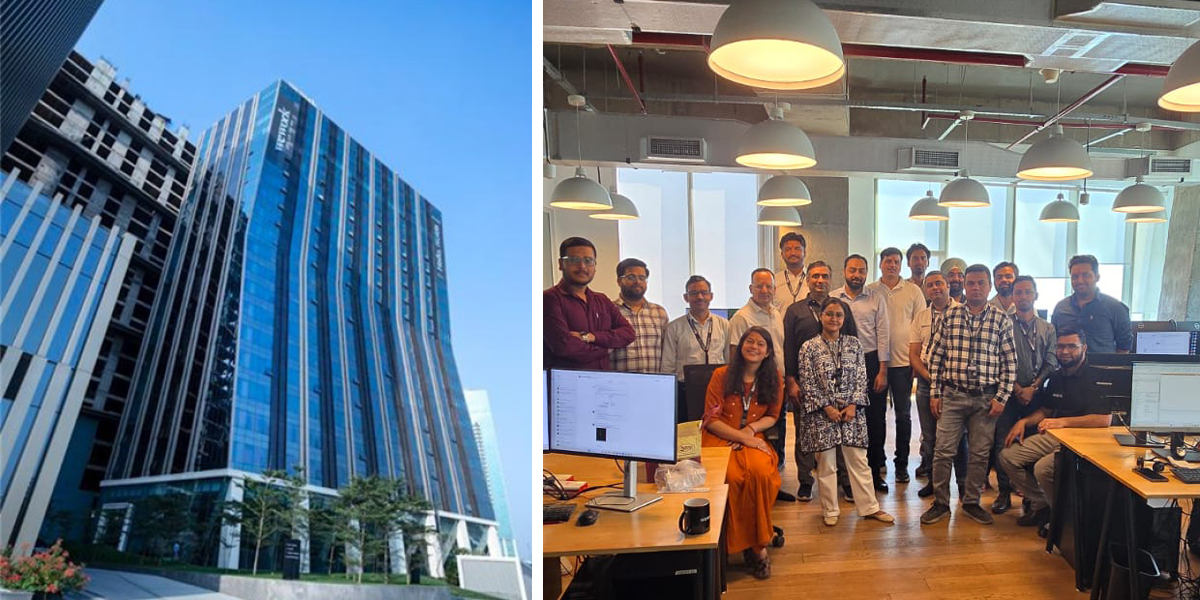
This week we celebrated the opening of our new Noida office, a significant step in our continued growth and expansion in India. Alongside our Gurugram office, this new space strengthens our presence in the Delhi NCR region, expanding our network and improving accessibility for our team.

We are pleased to announce the opening of our Noida office, strengthening our India business expansion and supporting our global growth strategy. Alongside our existing Gurugram office, this new location in Delhi NCR’s business hub enhances accessibility for our teams while unlocking new engineering job opportunities in Noida.

A Prime Location 

Situated in Sector 16A Noida, the new office is positioned in a prime location with excellent connectivity, including direct access to metro links and public transport. Black & White employees will benefit from modern amenities and recreational spaces, ensuring a well-equipped and comfortable working environment.
The MEP Design team will be based in Noida, collaborating closely with our colleagues across the region and supporting projects and clients globally.

Supporting Our Global Expansion and the Data Centre Industry

The Noida office plays a critical role in our broader growth strategy, enabling us to expand our network and improve accessibility for employees in the Delhi NCR region. By establishing a presence in this new area, we are enhancing flexibility, improving work-life balance and strengthening our ability to attract and retain engineering professionals.

“At Black & White, we recognise that a healthy work-life balance is essential for employee well-being. In Delhi NCR, commuting time is a major factor in achieving this balance. By opening our Noida office, we are not only improving accessibility for current employees but also enhancing our visibility and presence in this key region.”– Khan Moid Hasan, Director

Future Plans for Our Noida Office

Our long-term vision for the Noida office includes scaling to over 100 employees by the end of 2025. This expansion aligns with our broader objective of fostering innovation within the data centre industry and delivering exceptional outcomes for our clients worldwide.

“This marks a significant step in Black & White’s growth. It opens new opportunities for our team to take on expanded roles and develop within the company. We are excited about the possibilities ahead and look forward to this next chapter.”– Ashish Tiwari, Director

As we continue to grow, we look forward to welcoming new colleagues to the Noida office and further strengthening our operations in India.

Join us as we continue to grow! We’re expanding our team and have exciting opportunities in engineering and CAD/REVIT across our Noida and Gurugram offices. Explore our open roles on our careers page.